- HomeX Magazine
- Kitchen Remodels
- 14 kitchen backsplash ideas that suit any cabinet color
14 kitchen backsplash ideas that suit any cabinet color
Find fourteen kitchen backsplash ideas that work with any cabinet color and fit your cooking habits while making the room feel complete.
Words by Pilar Whitaker
- 9 minute read
Kitchen backsplash ideas usually start with basic subway tile, but changing the shape or layout completely shifts the mood of the room. A well-chosen material protects the drywall behind your stove and sink from cooking grease and water damage. Selecting the right color and texture pulls your upper and lower cabinets together into one solid design.
1. Classic subway tile in a new layout
Standard rectangular tiles usually run horizontally across the wall. Turning them on their ends creates a fresh look with the same tile. This vertical offset draws the eye upward to the ceiling. It makes short walls feel taller.
A vertical layout works beautifully with standard shaker cabinets or flat front designs. White tiles against dark lower cabinets keep the room feeling bright. Darker tiles ground a row of white upper cabinets effectively.
Smooth glazed ceramics wipe clean quickly with a damp sponge.
2. Vertical stack patterns for a clean grid
Stacking rectangular tiles directly on top of each other creates a modern grid. The straight lines align perfectly with square cabinet doors. This geometric arrangement feels orderly and calm. It entirely avoids the busy staggered look of a traditional brick layout.

A grid pattern pairs well with minimalist flat panel cabinets. Using a matte finish tile softens the modern edge. White stacked tiles suit any painted cabinet color from pale green to deep blue. Gray stacked tiles add a slight industrial touch to natural wood cabinets.
Aligning the grid requires straight walls and careful spacers. Tiling over an uneven wall makes a straight grid look warped. Standard grout spacing keeps the maintenance simple. Regular cleaning prevents tomato sauce from staining the straight white grout lines.
3. Herringbone patterns using standard rectangles
Arranging rectangular tiles in a sharp V shape forms a classic herringbone pattern. This layout adds motion to a static kitchen wall. It turns standard affordable tiles into a custom design feature. A herringbone backsplash acts as a great focal point between simple painted cabinets.
Installing this pattern requires cutting many tiles at an angle where they meet the counters. The extra cuts add labor time and require ordering extra material. A budget for the kitchen remodel needs room for that extra waste.
White herringbone tile with light gray grout fits beautifully with navy or forest green lower cabinets. The texture breaks up heavy blocks of solid color. Wiping the diagonal grout lines takes a little more attention than wiping straight ones.
4. Zellige and handmade tile
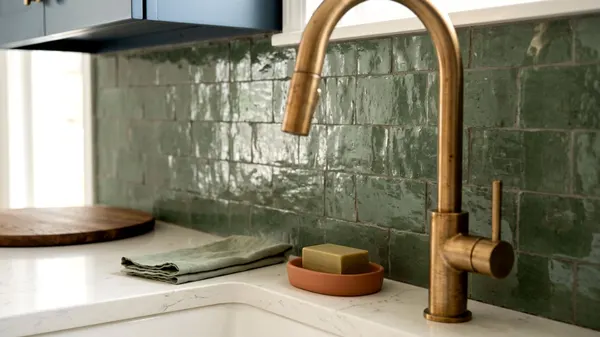
Authentic zellige tiles are shaped from clay and baked in traditional kilns. The manual process leaves small pits and uneven surfaces on the face of the tile. Each piece carries a slightly different shade of the glaze color. This color variation adds rich texture to a flat wall.
Square zellige tiles soften the rigid lines of modern kitchen cabinets. White zellige ranges from pure snow to warm cream within a single box. These shifting tones bridge the gap between white upper cabinets and colored lower ones. The natural flaws catch natural daylight beautifully.
The uneven edges mean zellige installs with almost no grout joint. The installer butts the tiles tightly together. Wiping the bumpy surface takes more effort than cleaning flat ceramic. Oil splashes catch in the tiny surface pits behind a busy stove.
5. Glazed ceramics with irregular edges
Machine-made tiles have perfectly straight edges and flat faces. Handmade ceramic tiles feature subtle waves across their surface and irregular borders. These soft lines bring warmth to a room full of hard appliances and stone counters. The glossy glaze bounces light around the room.
Choosing a handmade tile adds character without introducing loud patterns. A soft beige handmade rectangle pairs well with warm wood cabinets. Light blue glazes look fresh against crisp white doors. The irregular edges naturally create a slightly thicker grout line.
Thick grout lines need a quality sealer to resist cooking stains. The smooth glazed face of the tile wipes down easily. Food splatters wash off the gentle waves with warm soapy water and a soft cloth.
6. Full height slab behind the range
Running a solid slab of stone up the wall behind the stove makes a strong visual statement. The stone matches the kitchen counters exactly. The continuous veining draws the eye directly up to the range hood. This approach eliminates grout lines entirely in the messiest cooking zone.
A slab backsplash works well in spaces with dramatic stone counters like heavily veined marble. The rest of the kitchen gets a standard tile backsplash. White marble slabs pair elegantly with dark gray or black painted cabinets. Dark stone slabs ground a kitchen full of light wood.
Natural stone usually needs sealing to resist oil stains. Acidic foods like lemon juice or vinegar will etch natural marble. Wiping a solid slab is easy after frying bacon. There are no grout grooves to trap the cooking grease.
7. Large format porcelain with few grout lines
Large porcelain panels mimic the look of natural stone slabs. The massive tiles cover huge sections of the wall at once. This choice brings a high-end look without the heavy maintenance of real marble. Porcelain resists etching from acids and usually does not need sealing, though you should follow the maker's care instructions.
Using large format tiles reduces the number of grout lines to almost zero. A panel with white marble veining looks stunning against black base cabinets. Dark gray porcelain panels add depth behind white upper cabinets. The sheer size of the panels requires perfectly flat walls for installation.
Porcelain stands up to serious daily cooking. Tomato sauce and hot oil wipe right off the surface. Kitchen flooring handles foot traffic, but the wall behind the stove takes the worst food splatters. Large porcelain panels handle the mess with ease.
8. Beadboard or wood paneling
Beadboard features narrow vertical wooden planks with a small ridge between each board. This classic wall treatment brings a relaxed cottage feel to the room. Wood paneling often costs less than tile and can go up faster.
Painted beadboard matches cabinet colors easily. Painting the beadboard the exact same shade as the cabinets creates a unified custom look. Crisp white beadboard brightens the space above dark oak lower cabinets. A semi-gloss paint finish helps the wood resist moisture.
Wood behind a sink needs careful caulking at the bottom edge. Water sitting on the counter can damage the bottom of the beadboard over time. Wood should not go directly behind a gas range. Check your local building code and the range maker's installation manual for the required clearance and wall material.
9. Vertical wood planks for texture
Flat vertical wood planks bring natural texture to plain walls. Tongue and groove boards lock together tightly to hide the installation nails. Stained wood paneling warms up a room full of cold painted cabinets. Clear pine or white oak planks look striking against matte black or dark green doors.
Wood paneling fits beautifully into a modern rustic kitchen design. Running the boards vertically pushes the ceiling higher. Horizontal boards stretch a short wall to make it feel wider. A tough clear coat helps protect the wood from cooking moisture.
Solid wood planks should not go directly behind a gas stove. Follow the range maker's manual and your local code for what must cover the cooking zone. Wiping dust from the grooves between the planks takes a dry microfiber cloth.
10. Matching the backsplash to cabinet colors
Matching the backsplash tile to the cabinet paint creates a highly tailored room. A dark blue tile between dark blue cabinets makes the walls recede. This continuous color block makes a small room feel much larger. The eye moves across the space without hitting a contrasting boundary.
Glossy matching tiles add reflection to matte painted cabinets. A textured matching tile introduces shadows and depth while keeping the color uniform. Finding an exact match takes time and several sample orders. Paint companies and tile makers rarely use the exact same color pigments.
When an exact match fails, going one shade darker on the tile usually works best. Choosing your kitchen cabinets happens well before you select the wall tile. Bring a painted cabinet door to the tile shop to check the tones under natural daylight.
11. Colored grout and when it works
Traditional white subway tile looks completely different with dark charcoal grout. The dark lines outline every single tile. This high contrast highlights the pattern of the installation. A standard brick layout suddenly looks sharp and highly graphic.
Dark grout hides many cooking stains. Coffee splashes and red wine drops disappear into the gray or black lines. White tiles with dark grout tie in nicely with dark lower cabinets or dark stone counters. The look is slightly industrial and very practical.
Applying dark grout requires a skilled hand. Black grout can stain the porous edges of certain ceramic tiles during installation. The installer must test a spare tile before rubbing dark grout all over the clean wall.
12. Blending light tile with matching grout
Using white grout with white tile makes the individual pieces disappear into a solid field. The texture of the tile shapes remains, but the heavy grid lines vanish. This low contrast approach keeps the kitchen looking quiet and soft. It lets other elements like brass hardware stand out.
A blended wall works beautifully with bright cabinet colors. A solid white background lets teal or mustard yellow cabinets take center stage. Matching the grout exactly to a colored tile softens the whole installation. Light blue tile with light blue grout creates a calm expanse of color.
White grout behind a stove requires diligent cleaning. Grease can leave a yellow stain on white grout. Epoxy grout resists these stains better, though spills should still be wiped up. Epoxy grout costs more and requires specialized installation skills.
13. Glass sheets for a luminous finish
Large sheets of tempered glass offer a perfectly smooth surface for the wall. The glass is painted on the back before it goes up. The color shows through the front while the surface remains totally clear. This creates a brilliant finish that bounces light everywhere.
Back painted glass works wonderfully in modern spaces with flat slab cabinet doors. The sleek surface matches the minimalist design perfectly. Manufacturers can often paint the glass to match a paint chip closely. That helps it coordinate with your cabinets.
Glass is one of the easiest materials for wiping grease away. There are absolutely no grout lines to scrub. A spray of standard glass cleaner and a paper towel removes most grease and fingerprints. The glass must be measured and cut perfectly for electrical outlets before it is tempered.
14. Stainless steel sheets for heavy prep zones
Commercial kitchens use stainless steel walls for good reason. Metal resists high heat and heavy impacts and stains less than most surfaces. A stainless steel panel behind a heavy-duty gas range protects the wall well. It handles high heat well, but follow the range maker's clearance rules.
Stainless steel panels pair well with industrial style spaces and pro-style appliances. The metal finish bridges the gap between gray cabinets and dark counters. Quilted steel panels hide scratches better than flat brushed steel. The flat brushed finish matches the texture of modern refrigerators.
Wiping down a steel panel requires a specific cleaner to avoid streaks. Acidic foods left on the metal too long can cause surface pitting. Standard stainless steel wool scratches the brushed finish permanently. Use a soft cloth following the grain of the metal to keep it shining.
Easy clean choices for busy cooks
Choosing a backsplash comes down to how much you cook and how much you hate scrubbing. Heavy home chefs who fry food often should stick to large format tiles, glass or solid metal panels. These materials wipe clean in moments without trapping grease in tiny lines. They often cost more upfront but can save cleaning time.
Light cooks who mostly use the oven can focus on texture and pattern. Beadboard, zellige and heavily grooved tiles suit a kitchen that sees less daily scrubbing. Pairing an intricate wall texture with a simple flat cabinet door creates a balanced space.