- HomeX Magazine
- Living Room Makeovers
- Small living room ideas that make the space feel bigger
Small living room ideas that make the space feel bigger
These small living room ideas help a compact space feel wide open. Simple changes to your layout, furniture and paint colors make the room look much larger.
Words by Rosalind Tillery
- 8 minute read
Small living room ideas work best when they trick the eye into seeing more space. Moving furniture away from the walls and keeping the floor visible makes a tight room feel open. Light paint colors and reflective surfaces then bounce light into every corner.
Clear the floor and open up the sightlines
Visual clutter quickly makes a tight room feel cramped. Exposing bare floor space is a good first step. A clear floor creates the immediate illusion of extra square footage.
Toys, scattered magazines and chunky floor lamps eat up floor space. Store them out of sight in lidded baskets.
Tall furniture blocks the view across the room. Bulky bookcases and high-backed chairs cut off your sightlines. Swap them out for lower, sleeker pieces.
Low profile media consoles keep the eyes moving freely toward the walls. Wall mounting the television, anchored to the studs as the mount's instructions say, eliminates the need for a bulky cabinet. Floating shelves hold books and framed photos without touching the floor.
Consider the main path from the doorway to the seating area. Walkways need to stay entirely clear. Moving a single side table can make the whole room breathe.
An unbroken view from the door to the opposite wall makes the room feel much deeper. Keep loose power cords out of walkways, and ask a licensed electrician about anything that needs rerouting. The eye catches every messy detail in a small space.
Heavy coffee tables gather piles of mail and dirty coffee cups. Replacing a massive table with a smaller piece forces you to stay tidy. A clear surface instantly makes the whole area feel cleaner.
Choose furniture with raised legs and a small footprint
Heavy furniture weighs down a compact room. A sofa with a skirt going all the way to the floor stops the eye dead. Pieces raised on wooden or metal legs let light pass underneath.
Being able to see the floor beneath a sofa tricks the brain. It makes the floor seem completely continuous. The room appears to stretch further back.
Scale matters just as much as style. Overstuffed chairs with thick rolled arms waste valuable width. Look for track arms or armless slipper chairs instead. Slim arms give you the same sitting area in a much smaller footprint.
A loveseat often works better than a massive sectional. Small accent chairs can easily replace a heavy recliner. They are much easier to move when you have guests over.
Glass and acrylic tables take up almost no visual space. A solid wood coffee table sits like a heavy block in the middle of the room. A clear glass top on a delicate metal frame serves the exact same purpose. It provides a spot for a drink without closing off the room.
Nesting tables are another very smart choice. Pull them out when company arrives. Slide them back together to clear the floor for daily living. Woven poufs can tuck under an open console table until you need extra seats.
Pay attention to the frame thickness on accent pieces. Thick wooden chair frames eat into your usable space. A thin metal frame gives you a place to sit without blocking the light.
Float the seating instead of pushing it against walls
Pushing all the furniture against the walls is a common mistake. It leaves a massive dead zone in the middle of the floor.
The layout looks exactly like a doctor's waiting area. Bringing the seating toward the center creates a cozy conversation zone.
Leaving breathing room behind a sofa gives a sense of depth. A gap between the furniture and the wall shows that the room has space to spare.
Even a small gap helps the furniture stand out. A narrow console table behind a floating sofa provides a spot for drinks. It creates a subtle boundary for the main seating area.
Use an area rug to anchor this floating arrangement. Arrange the chairs to face the sofa directly or at a slight angle. This pulls the focus tightly to the gathering space.
The perimeter of the room becomes a walkway. Angling a chair toward the center opens up a tight corner. Traffic flows smoothly around the furniture instead of cutting directly through the middle.
Float a small bench opposite the sofa instead of bulky chairs. A backless bench provides seating without interrupting the view across the room. You can look right over it to the far wall. The space feels open while still offering plenty of room for guests.
Keep the walls, trim and large pieces in one light tone
High contrast chops a room into smaller pieces. Dark walls with bright white trim draw harsh boundary lines around the space.
Painting the walls, baseboards and window casings in the same light shade blurs those edges. The corners seem to melt away. A room with soft boundaries feels very expansive.
Soft tones like warm white, cream or pale gray reflect natural light beautifully. They gently push the walls outward. Matching the ceiling to the walls softens the uppermost boundary. The ceiling appears much taller.
Flat or matte paint tends to hide drywall flaws. An eggshell finish reflects a bit more light. Test paint swatches on different walls to see how the afternoon sun changes the color.
Blend your largest piece of furniture into this pale backdrop. A light sofa against a light wall almost disappears. The large piece takes up physical space but very little visual weight.
Add character through texture rather than stark color changes. A chunky knit throw or a linen pillow adds depth to a monochromatic room. Introduce small bursts of color through artwork or a potted plant. This keeps the room bright without feeling entirely flat.
Consider painting the interior doors and window frames to match the walls. Crisp white doors break up a pale gray or cream wall. Painting them the exact same shade keeps the color continuous.
Use mirrors and layered lighting to spread light around
A dark room often feels smaller than it is. Natural light remains your absolute best asset for opening things up. Hanging a mirror directly opposite a window bounces bright sunlight deep back into the space.
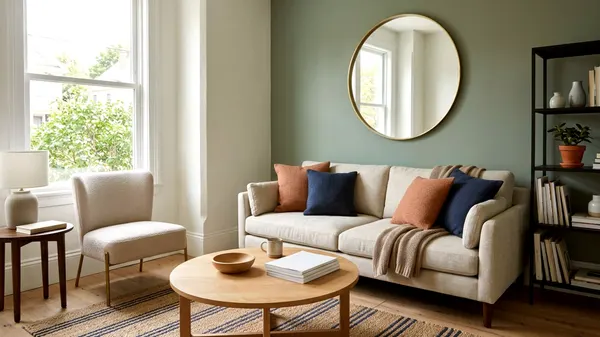
A large mirror acts like an extra window. Choosing a large wall mirror is a simple way to amplify the light. A frame with a metallic finish adds another beautiful reflective surface.
Overhead lighting alone creates harsh, unflattering shadows. Shadows gather in the corners and make the room shrink. Layering different light sources eliminates those dark pockets.
A single bright bulb makes the room feel cold. Soft, warm lightbulbs make the space feel inviting. Dimmer switches allow you to change the mood as the sun goes down.
Place table lamps on side tables and reading lamps near comfortable chairs. Picking wall sconces for the main wall frees up table space entirely. Wall lighting draws the eye upward.
Picture lights mounted above artwork wash the walls with a soft glow. They push the boundaries of the room outward in the dark.
Floor lamps with slim profiles are another great tool. Tuck a slender floor lamp into a dark corner. Bouncing light off the ceiling makes a low room feel taller. A bright, evenly lit ceiling draws the eyes upward and expands the space.
Hang curtains high and keep the window completely clear
Windows are the natural focal point of a small space. Blocking them makes a room feel closed off. Hang curtain rods just below the ceiling rather than right on the window frame.
This draws the eye all the way up. The walls instantly look taller. A low rod cuts the wall right in half.
Extend the rod far past the sides of the window. When you open the curtains, the panels should rest entirely on the bare drywall. Tailored living room curtains framed around a clear window let in maximum light.
The window itself appears much wider. Matching the curtain fabric closely to the wall color keeps the room feeling whole. A contrasting rod in brass or matte black provides a subtle accent.
Avoid heavy drapes and fussy, complicated valances. Thick velvet absorbs light and feels visually heavy. Linen or cotton panels keep the overall look light and breezy.
Sheer curtains filter harsh afternoon sun while maintaining essential privacy. Plantation shutters or simple roller shades are another very clean option. They sit neatly inside the frame and stay completely out of the way.
Iron curtain rings make opening and closing the panels a breeze. Smooth movement encourages you to pull the curtains back fully every morning. Tying the curtains back tightly prevents fabric from pooling on the floor. Crisp, straight fabric hanging to the floor looks highly tailored.
Pick a rug that fits the entire seating area
A tiny rug makes a room look disjointed. It acts exactly like a postage stamp in the middle of the floor.
Your eye goes straight to the edges of the rug. This highlights exactly how small the floor space really is. A rug that barely reaches the coffee table shrinks the whole room.
Choose a large rug that anchors all the main furniture. The front legs of the sofa and the chairs need to sit on the fabric.
A generous rug connects the individual pieces into a single unified unit. It clearly defines the living area within an open floor plan. Leaving a border of bare wood or tile around the edges prevents the rug from looking like wall-to-wall carpet.
Keep the pattern subtle. A loud, busy pattern on the floor demands far too much attention. A textured solid or a muted vintage print keeps the floor quiet.
Natural fiber rugs made from jute or wool add warmth without overwhelming the space. A calm floor gives the rest of the room space to breathe. The eye sweeps easily from the floor to the airy walls above.
Check the pile height before buying a new rug. A thick shag rug adds a lot of visual bulk. A low pile or flatweave rug stays completely out of the way. Doors swing easily over a thin rug.