- HomeX Magazine
- Bathroom Renovations
- Is a shower insert a better choice than a tiled shower
Is a shower insert a better choice than a tiled shower
Deciding between shower inserts and custom tile means weighing cost, cleaning and installation time to find the right fit for your bathroom remodel.
Words by Thaddeus Yarbrough
- 6 minute read
A shower insert is usually the better choice for a fast, affordable bathroom update that is easy to keep clean. Custom tile makes more sense for odd room dimensions and larger remodeling budgets. The right material depends on your timeline, your budget and the exact shape of your bathroom.
What a shower insert is and the main types
Shower inserts for bathrooms are prefabricated panels made from fiberglass or acrylic. A factory molds the plastic material into a waterproof shell that fits directly against the wall framing. Most home improvement stores carry a variety of acrylic shower surrounds in standard sizes to fit common bathroom layouts.
Manufacturers press acrylic panels to mimic the look of subway tile or natural stone. This gives you visual appeal without the physical grout lines. A one piece unit includes the floor pan and all the walls molded firmly together into a single box.
These large shells have no wall to floor seams for water to slip through. The continuous surface makes them very effective at stopping leaks and helps keep water away from the wood framing behind the wet area.
Multi piece inserts split the walls and the base into three or four separate parts. The pieces interlock during installation to form a watertight barrier. Manufacturers use overlapping joints and heavy duty sealants to keep the water inside the pan. The flat wall panels join together just above the lip of the floor basin, making the unit much easier to carry.
Where inserts beat tile
Acrylic and fiberglass panels install much faster than a traditional mortar bed and tile arrangement. A contractor can often set a standard base and wall surround in far less time than tile takes. That speed keeps labor costs down and shortens the project timeline. You can remodel a bathroom in the right order without waiting days for mortar and grout to dry.
Manufactured surrounds also flex slightly with the house framing. A heavy tiled wall might crack if the floor joists settle over time. Plastic inserts usually stay intact and waterproof as an older house shifts under the roof weight. The lightweight plastic often needs little extra reinforcement under the floor, though a contractor should check the framing.
You do not need wet saws or expensive diamond blades to cut an acrylic wall panel. Installers use standard power tools to drill holes for the showerhead and the mixing valve. Lower material costs and reduced labor hours make an insert the practical choice for a guest bathroom or a basement remodel.
Where tile beats an insert
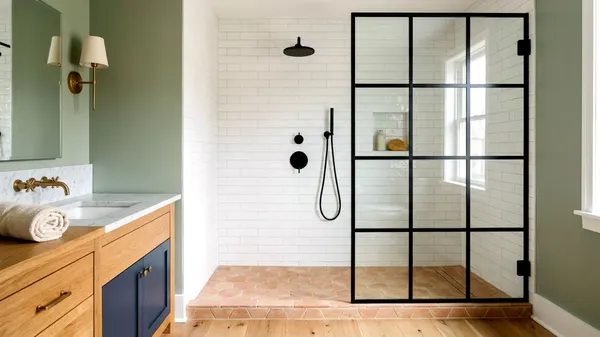
Tile gives you complete control over the layout and the finished look. Manufactured inserts only come in standard shapes and fixed sizes. Tile can follow any shape. A custom mortar pan allows you to build a shower in an attic with a sloped ceiling or an oddly shaped corner.
A tiled shower is often the best way to fit a comfortable bathing area into a tight footprint. You can cut tiles to match any weird wall angle. A skilled setter can construct built-in benches and shaving footrests that blend into the surrounding walls. Custom tile floors allow you to pick materials with a high friction rating.
Small mosaic tiles use extra grout lines to provide a natural grip under wet feet. You can match a river rock shower floor to the main bathroom tile to make a small room feel much wider.
High quality tile can add more resale appeal than a plastic surround. Luxury homes often use custom stone and ceramic surfaces to attract buyers. A thick glass door over a custom tiled pan feels heavier and more permanent than a lightweight fiberglass basin.
Minimum shower size and entry width
Building codes set a minimum amount of room for any bathing space, and local rules can differ. Planning the dimensions early helps you figure out if a standard prefabricated base will fit into the corner. NKBA bathroom planning guidelines cite the IRC minimum interior shower size of 30 by 30 inches, or 900 square inches holding a 30-inch disc, and recommend at least 36 by 36 inches.
The entry to the enclosure needs enough space for a person to step in safely. The NKBA cites the IRC requirement that a shower entry have a clear finished width of at least 22 inches. The guidelines also cite the IRC minimum of 24 inches of clear space in front of a shower entry.
You need to map out these clear spaces before buying a fixed acrylic base or laying out a tile pattern. Knowing what size vanity fits a small bathroom helps ensure the door swings open safely. You do not want the door hitting any cabinets or blocking the 24-inch exit zone.
Getting a one piece unit into the room
A one piece fiberglass shell is waterproof and bulky. The solid box must travel from the street to the bathroom without getting stuck. You have to measure every tight spot along the entire delivery route to make sure the unit will clear the walls. Check these four spots before you order a solid shell.
- The exact width of the front door frame and any storm doors
- The clearance height of stairwells and basement ceilings
- The turning radius at the top of narrow staircases
- The finished width of the bathroom door opening
Older houses often have narrow doors and tight staircases that stop a large shell from passing through. You might find that a one piece unit fits perfectly into the bathroom framing but cannot make it past the front porch. Forcing a rigid fiberglass box around a tight corner can crack the surface and ruin the watertight seal.
Multi piece inserts exist to solve this exact delivery problem. The separate flat panels and base slide easily up stairs and around tight corners. The installer carries each piece into the bathroom individually before locking them together against the drywall. This modular design makes inserts possible in second floor bathrooms and tight basement conversions.
Cleaning and long term care
Smooth acrylic and fiberglass surfaces wipe down in minutes with a mild liquid cleaner and a soft sponge. There are no porous lines to trap dirt, soap scum or hard water minerals. The continuous plastic surface gives mold fewer places to hide and grow. You rarely need specialized grout brushes or harsh bleach sprays to keep the walls looking clean.

Homes with hard water often struggle with mineral deposits building up on bathroom walls. Calcium stains often wipe away from slick fiberglass with a mild cleaner your manufacturer approves. Removing those same white stains from dark grout requires stiff brushes and chemical descalers.
Grout lines absorb moisture and stain easily if you neglect regular scrubbing. You have to reseal traditional grout periodically to keep the water out and the color intact. Heavy scrubbing with abrasive powders can slowly wear down the protective glaze on cheaper ceramic tiles. A cracked tile or a crumbling grout joint demands immediate repair.
Water can push through broken grout and rot the wood framing behind the wall. Fiberglass shells rarely leak unless a heavy object strikes the wall and cracks the plastic.
Choosing a showerhead that saves water
Updating the enclosure is a good time to swap out old plumbing fixtures for more efficient models. Older showerheads can use more water than they need. WaterSense labeled showerheads must use no more than 2.0 gallons per minute, and the EPA says an average family could save 2,700 gallons a year by installing them.
Replacing an old fixture with an efficient model can lower the water bill and the energy cost to heat the water. Many efficient showerheads are designed to keep the spray feeling strong despite the lower water volume.
You can install a new showerhead in a few minutes using a simple wrench and a roll of thread seal tape. The fresh chrome or brushed nickel finish looks bright against a brand new acrylic wall or a freshly tiled custom stall. The showerhead finish should match the control handles and the tub spout for a cohesive look. Manufacturers offer efficient models in matte black, polished chrome and oil rubbed bronze to fit any room style.