- HomeX Magazine
- Floors and Layouts
- Where to start with home remodeling when the list keeps growing
Where to start with home remodeling when the list keeps growing
A long list of home remodeling projects requires a solid plan to rank safety, budgets and layout changes before picking the final paint and finishes.
Words by Pilar Whitaker
- 7 minute read
A long list of home remodeling projects becomes manageable when you rank the work by safety, structure and systems before looking at finishes. You can then group the tasks room by room, match them against your budget and decide what you can do yourself.
Group the projects room by room
Walk through the house with a notepad and write down every detail that bothers you. Note the chipped baseboards, the scratched cabinet doors and the cracked floor tile. Getting every single flaw and wish onto a piece of paper clears your head.
Sort that master list by room and then by trade. Grouping the electrical work together means you only pay an electrician to visit the house once. Doing a kitchen lighting upgrade on the same day as a dining room fixture swap saves money. Trades charge for travel and setup, so combine their tasks.
Look for overlapping zones in your floor plan. A bathroom renovation often affects the hallway flooring outside its door. Tackling adjacent spaces in one continuous project saves you from tearing up the same transition strip twice.
Fix safety and structure before finishes
Cosmetic changes will not survive if the house rests on failing supports. Sagging floor joists can crack expensive new tile. An overloaded electrical panel can create a fire hazard that no amount of fresh paint can fix. Structural integrity always comes first in home remodeling.
Address the bones of the building early in the process. Level the foundation, support cracked joists and upgrade the electrical service to handle modern appliances. A solid base makes every subsequent step easier for the finish carpenters.
New windows and exterior doors fall into this early phase. Replacing them requires altering the exterior envelope and disturbing the drywall inside. You want the house sealed tight against the weather before you start hanging expensive wallpaper.
Ignore the paint swatches and cabinet samples until the structural framing is plumb and square. Finish carpenters struggle to make baseboards look good on crooked walls. Fixing the rough framing while the studs are exposed gives you straight walls for the final finishes.
Plan bigger layout changes before cosmetic ones
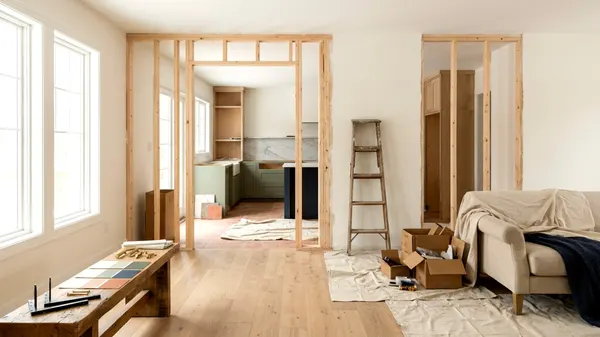
Knocking down a wall between the kitchen and the living room changes the entire feel of the main floor. Plan these layout shifts early because they dictate where everything else goes. Moving walls requires careful support for the load above, so involve a structural engineer or licensed contractor first. Lock in the floor plan before anyone hangs drywall.

Opening up a wall often reveals surprises like heating ducts, vent stacks or support posts. You have to reroute these systems before you can close the space back up. Address these mechanical hurdles while the room is gutted to the studs. An open wall makes plumbing and electrical work easier.
Finalizing the footprint gives the rough-in trades clear directions for pipes and wires. If you are moving a stove, figure out the best kitchen layout before the electrician wires the new outlet. Deciding exactly where appliances will sit prevents costly rework later.
Keep the dust contained during demolition. Tearing out plaster creates a mess that travels through the air vents. Finish the heavy layout work in every affected room before you start installing delicate finishes.
Decide what you can do yourself
Be honest about your skills and your free time when choosing do it yourself projects. Painting a bedroom is a manageable weekend-scale job, but building custom cabinets requires a dedicated shop and practice. Do it yourselfers handled 36% of the 140 million home improvement projects counted in the 2023 American Housing Survey.
Handling the demolition can save money on labor, though in a home built before 1978 read the lead safe section below first. Tearing out old carpet, pulling down drywall and hauling away debris requires more muscle than skill. Rent a dumpster and clear the space out yourself to stretch your budget. Preparing the room for the professionals keeps the project moving forward.
Leave the critical systems to licensed experts. Running a new gas line for a stove or upgrading a main breaker box comes with severe safety risks. A bad wiring job can cause a house fire.
Cosmetic work offers a safe place to build your skills. You can learn how to paint clean edges with a few basic tools. Rolling paint onto an accent wall will not cause water damage to the house. Small victories build momentum to keep you going through a long renovation list.
Set a budget against what other owners spend
Knowing what other owners spend gives you a baseline for your own spending plan. In the 2023 American Housing Survey, 51.6 million of 86.9 million homeowners, or 59%, made improvements. Owners spent a median of $6,500 on improvements to their homes in the 2023 American Housing Survey.
Your costs will depend on the materials you choose and the local labor rates. A full kitchen remodel can run well above that median figure, while painting a few rooms may cost less. Price out the materials for your specific list to get a realistic number.
Labor can account for a large portion of a professional renovation. Factor this in when deciding which jobs to hand off and which to keep for yourself. Paying for skilled labor usually gets a more professional finish, but it eats into the budget quickly.
Add a contingency buffer to your total estimate. Opening up old walls often exposes problems that demand immediate attention, like hidden water damage or pest activity. Having extra funds set aside keeps the project moving without causing financial panic.
Permits and the building department
Your local building department often requires permits for structural, electrical and mechanical work. A permit ensures the work meets local codes for safety and durability. Skipping this step can lead to fines and create hurdles when you try to sell the house later.
Call the permit office and describe your home renovation steps. Ask them which parts of your list need an inspection. Simple jobs like replacing cabinets, painting rooms or installing new floating floors often skip the permit process. The clerks can tell you exactly what paperwork to file.
Adding a new circuit, moving a load-bearing wall or replacing an HVAC system usually requires a permit and inspection. The inspector will visit the house at specific stages. You typically need a rough inspection when the walls are open and a final inspection when the job is done.
A building inspector can catch mistakes before the drywall goes up. An electrician might accidentally use the wrong gauge wire, and the inspector will flag it. Following the rules protects your investment and your safety.
Lead safe work in homes built before 1978
Older homes carry specific risks when you start tearing into painted surfaces. The EPA RRP rule covers renovation in homes built before 1978 and requires the firms doing it to be EPA or state certified. Sanding or scraping lead paint creates dangerous dust that can settle throughout the house and harm anyone who breathes it.
The EPA says the RRP rule generally does not apply to homeowners working on their own home, but it recommends hiring a lead safe certified contractor.
Contractors trained in lead safe practices know exactly how to seal off the work area. They use heavy plastic sheeting over doorways and vents, and they clean up with special vacuums to keep the dust contained.
If you decide to handle minor demolition in an older home, you need to understand the risks. You can find specific guidance for homeowners on the EPA DIY page to see what precautions to take. Working wet and wearing the right protective gear can reduce your exposure to toxic dust, but the EPA recommends hiring a lead safe certified contractor.
Hiring contractors and staging the work
Bring in professional help for the jobs that sit outside your comfort zone. Interview multiple general contractors for a major home remodeling job. Ask for itemized bids so you can compare exactly what each company includes in their price, from the drywall thickness to the brand of paint.
Never pay the full price upfront. A common schedule involves a deposit, with milestone payments tied to specific progress. You might pay a chunk after the rough electrical inspection, holding the final payment until every detail is complete. Keeping money back gives the contractor a reason to finish the punch list.
Staging the work in the right order prevents damaged finishes. The heavy framing comes first, followed by rough plumbing and wiring. Insulation and drywall go up next, leaving a clean slate for the trim carpenters and painters. Flooring usually goes in last to prevent scratches from heavy work boots.
Wait until the dusty work is done before you look at ways to decorate a fireplace wall. Bring in the new rugs, furniture and art only after the final coat of paint dries.